

Launching Japan’s first fully digital telco in 16 weeks
In 2021, Circles partnered with KDDI to launch Povo 2.0—a fully digital 5G telco for the Japanese market. With no design foundation in place and a compressed 16-week timeline, we had to design, build, and launch a complete Japanese telco experience from scratch.
Context
Japan’s telecom space is highly regulated, competitive, and known for advanced digital maturity. The project aimed to challenge legacy telco UX norms by launching the first fully digital 5G telco in the market. Executed remotely between May and September 2021, the Circles team partnered closely with KDDI across timezone, language, and process barriers. The resulting product needed to meet Japanese users' high expectations for performance, trust, and clarity — with seamless onboarding, modular plan selection, and a frictionless digital experience.
Challenge
Circles’ first-ever B2B venture required the complete design and launch of a digital-first telco product—Povo 2.0—for KDDI in Japan. While there were reference journeys from our existing B2C business in Singapore and Australia, there were no design precedents & systems for a completely new UX in Japan. The challenge extended beyond product design: it involved building a brand from scratch, localising for a highly demanding market, and designing scalable user journeys for a product meant to operate with zero physical customer support. This was not just a launch — it was a foundation-setting exercise under tight operational constraints.
As the sole Product Designer, I collaborated daily with a Product Manager and Engineers, taking full ownership of the customer journey. I also worked directly with KDDI on co-developing the brand identity, and with local translators to localise UX and content for Japan’s unique customer expectations. Additionally, I took ownership to design several creative assets such as in-app banners, tutorials & app store images
My role
Assyaraf Johari - Senior Product Designer
Debayan Bhattacharya - Product Manager
Bhupendra Trivedi - Lead Frontend Engineer
Lynn Ng - Project Management Lead & client engagement
Team
How we started
Audited internal workflows to identify design and operational gaps
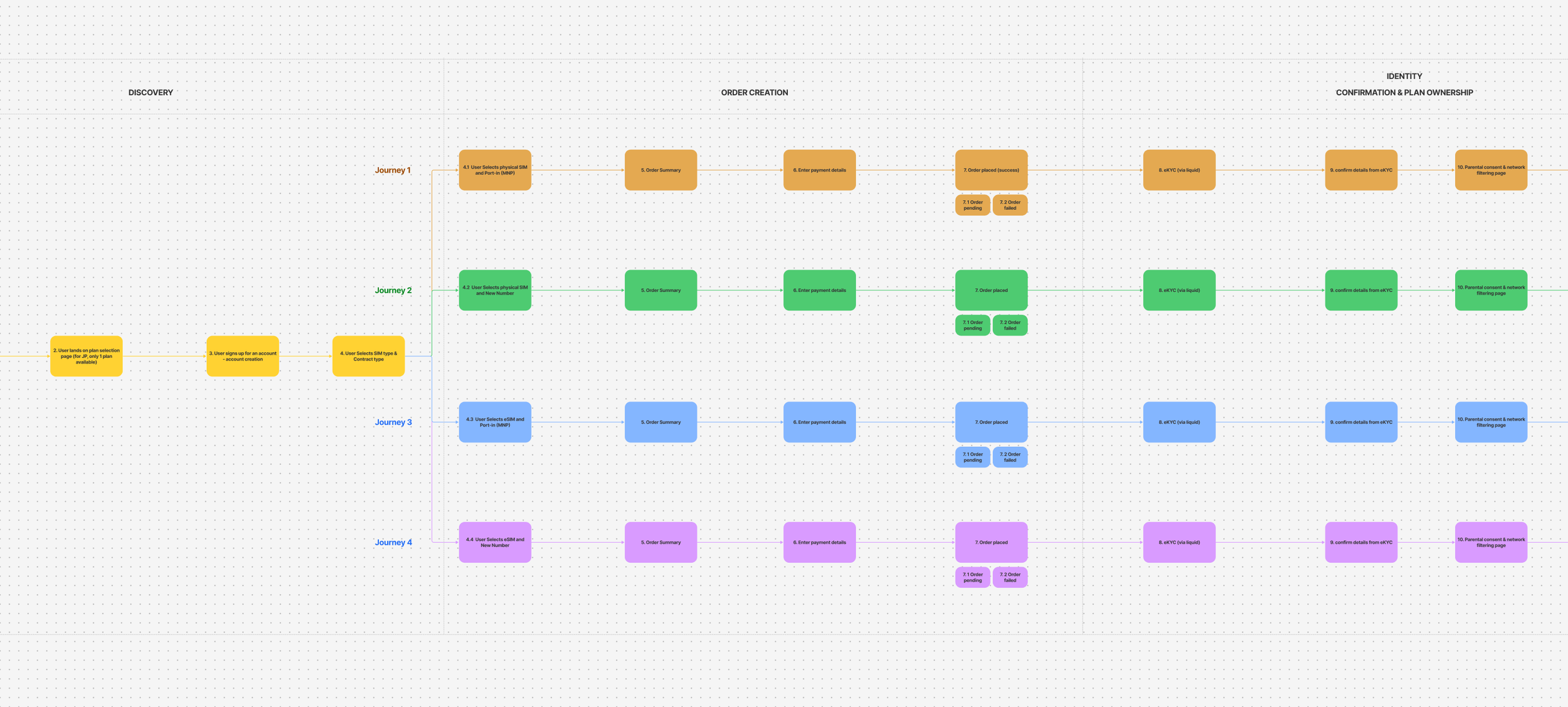
Mapped the complete customer journey from onboarding through termination, using the reference journeys from our existing B2C markets in Singapore and Australia as the starting point
Co-developed product constructs aligned with KDDI's business requirements
Localised language and UX for the Japanese market through direct collaboration with translators and local stakeholders
Brand Identity Development
Design solution #1
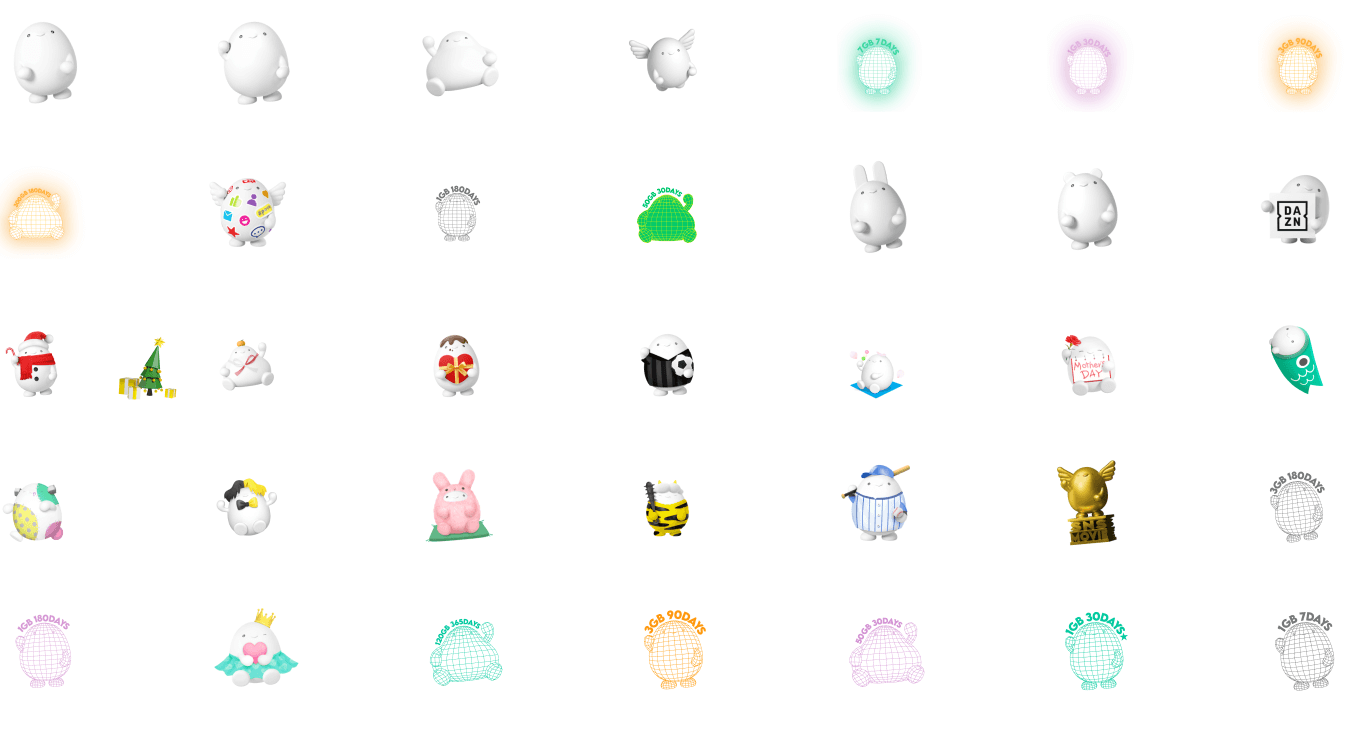
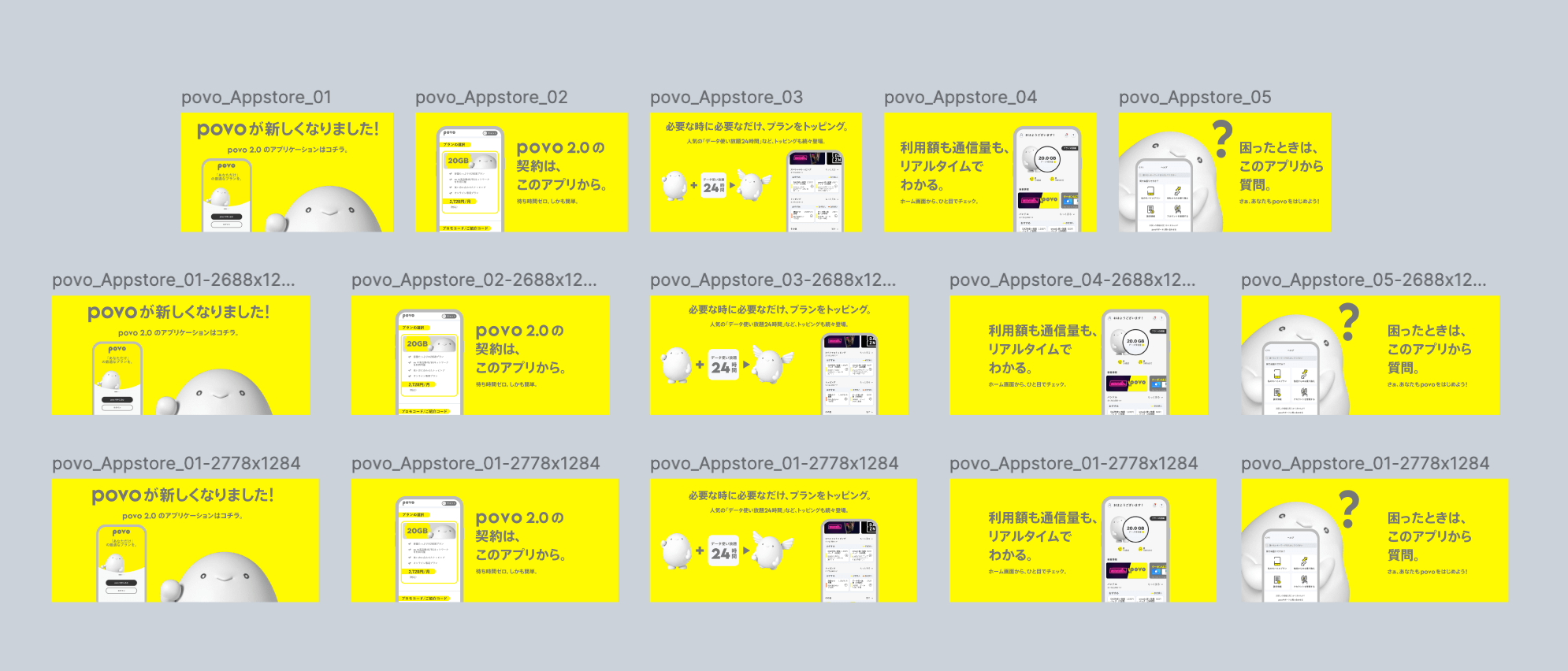
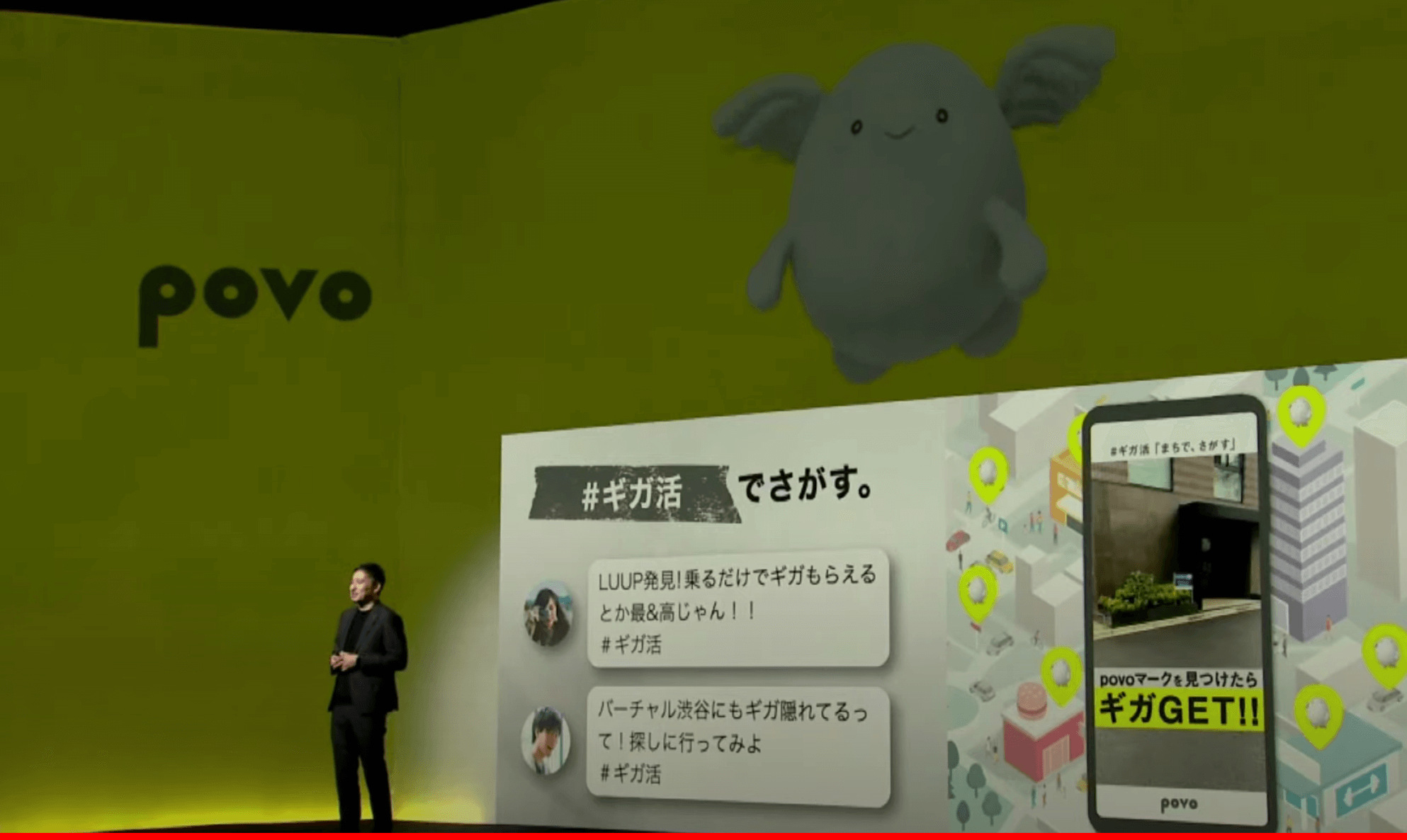
We collaborated with KDDI and their agency to co-create the Povo brand identity from scratch, including defining brand personality, visual language, and tone of voice. One defining aspect of Povo’s brand is the development of a brand mascot, which is very much aligned to Japanese brand norms. The mascot itself was designed to look generic so that it can be adapted for seasonality & campaigns.
Multiple rounds of creative exploration and stakeholder alignment were conducted to ensure the brand resonated with Japanese users while differentiating from legacy telco competitors. Once the brand direction was established, I integrated it cohesively into the product UI—applying colour systems, typography, iconography, and motion principles across all customer touchpoints. This ensured a unified experience where brand and product felt inseparable, reinforcing trust and clarity throughout the digital journey.
Design system development
Design solution #2
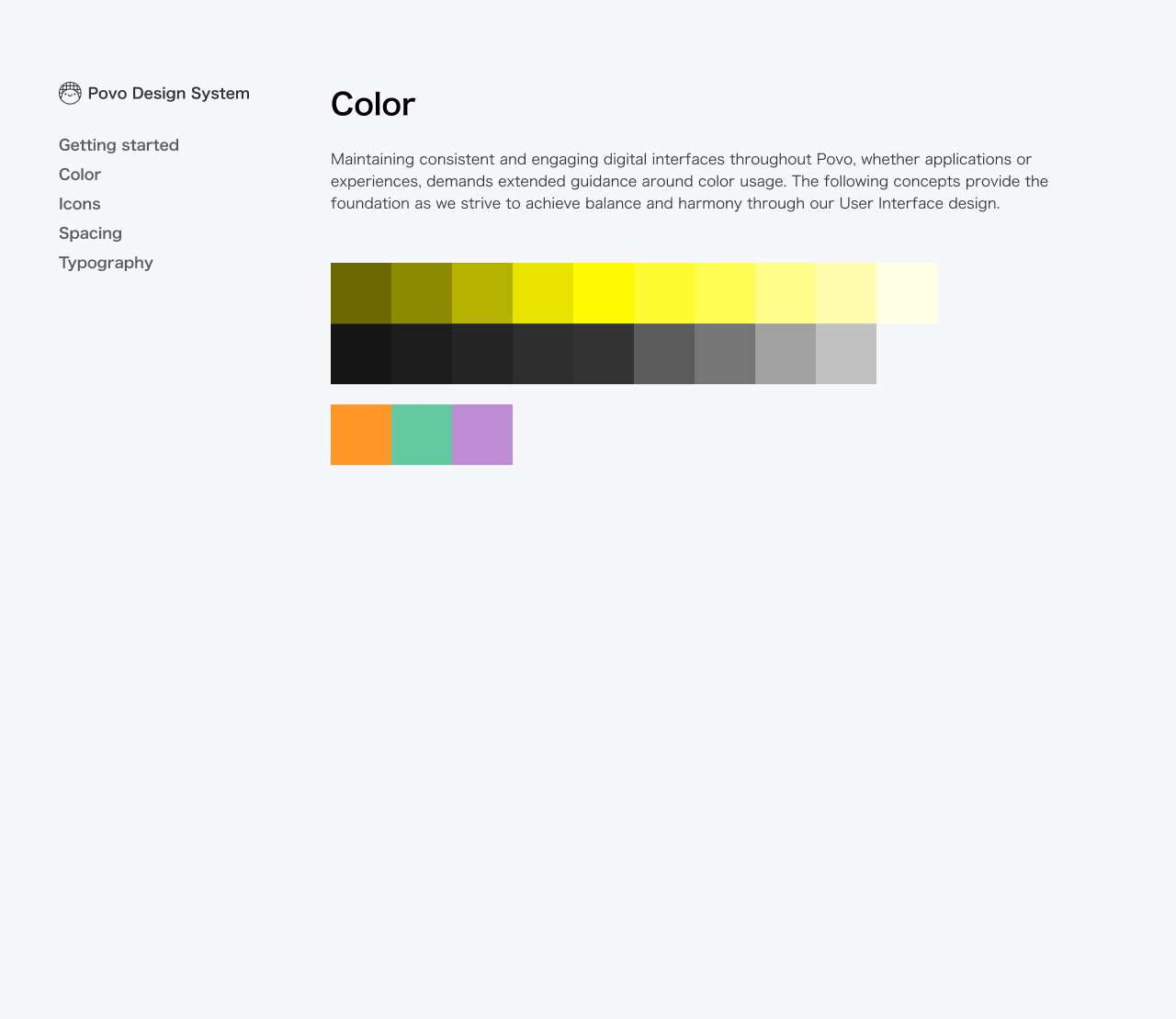
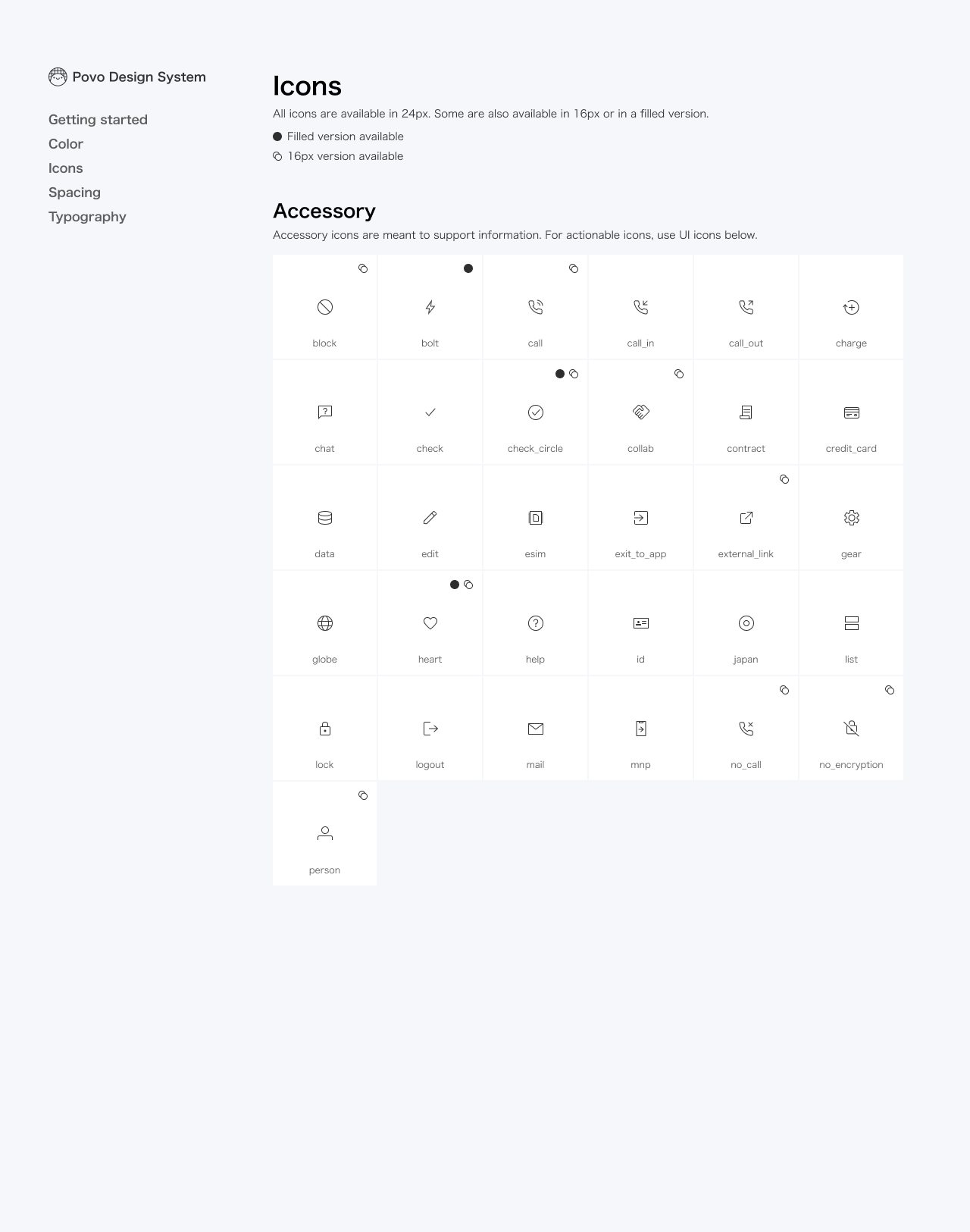
Built a modular design system based on Material Design to accelerate UI design across all screens and flows. This system included reusable components, standardised patterns, and clear documentation that enabled rapid iteration and consistent implementation. It became the foundation for future market launches, reducing design and development time significantly while maintaining quality and brand coherence.
Design solution #3
Core features designed
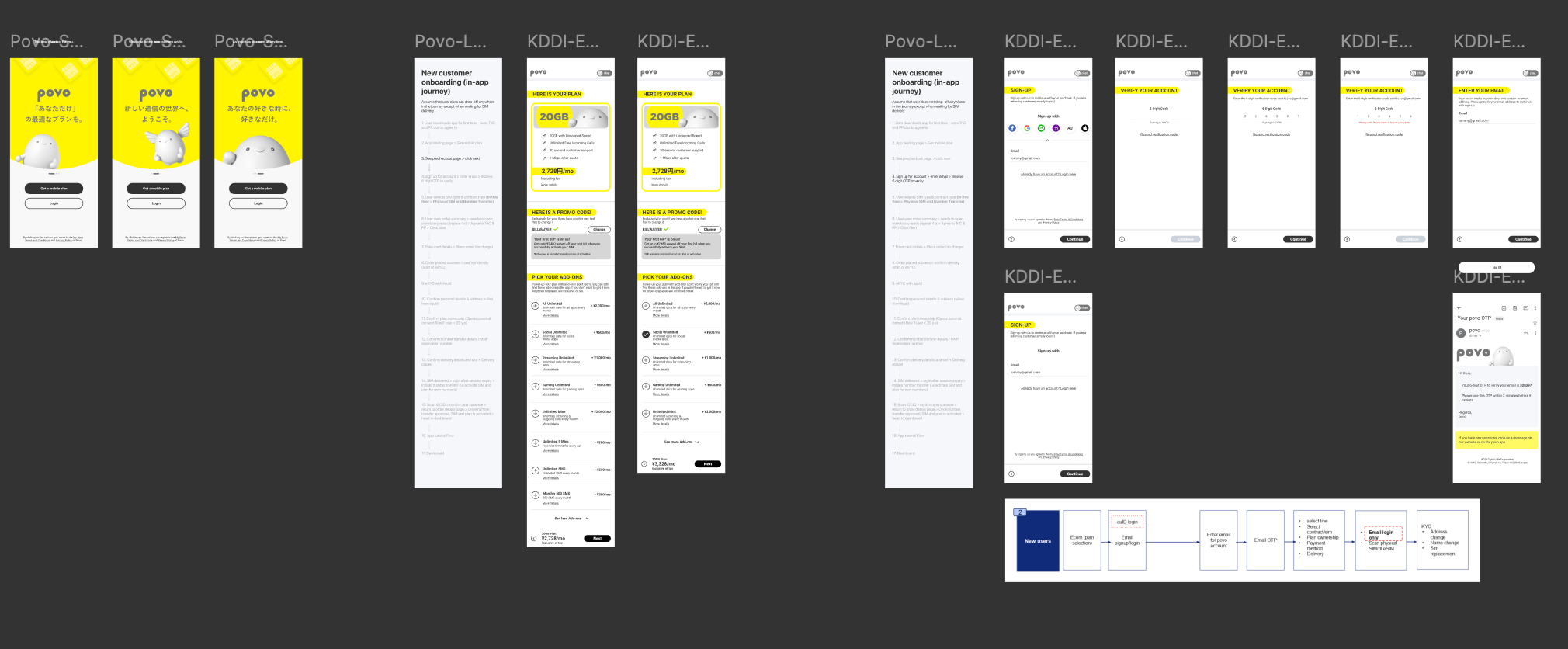
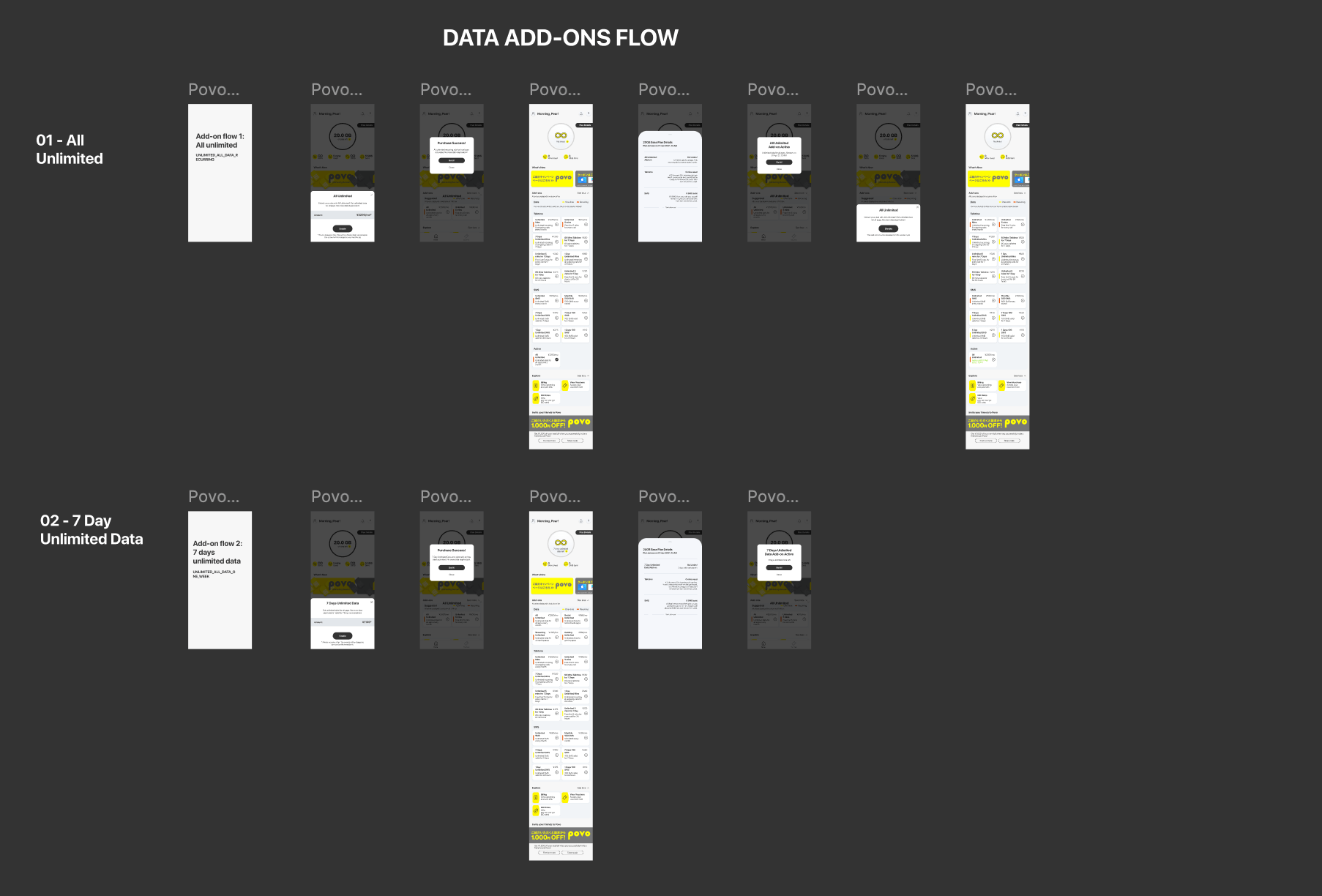
Designed all core customer-facing features across the full product lifecycle which include but not limited to:
SIM activation flow with eKYC verification and number selection
Modular plan selection system with "topping" add-ons (data, voice, SMS)
Account management: payment methods, usage tracking, and history
Support flows: FAQ integration, chat support, and self-service troubleshooting
Contract termination and number portability workflows
Each feature was built to align with Japanese regulatory requirements and designed for a fully digital, self-service experience with zero physical touchpoints.
Design solution #4
Validation, testing and creatives prep
Prioritized localization validation given the condensed 16-week timeline, focusing on:
Usability testing with Japanese QA testers to ensure flows met local expectations
Language review sessions with KDDI and native speakers to validate tone, clarity, and regulatory compliance
Rapid iteration cycles with client feedback to address cultural nuances in UI and messaging
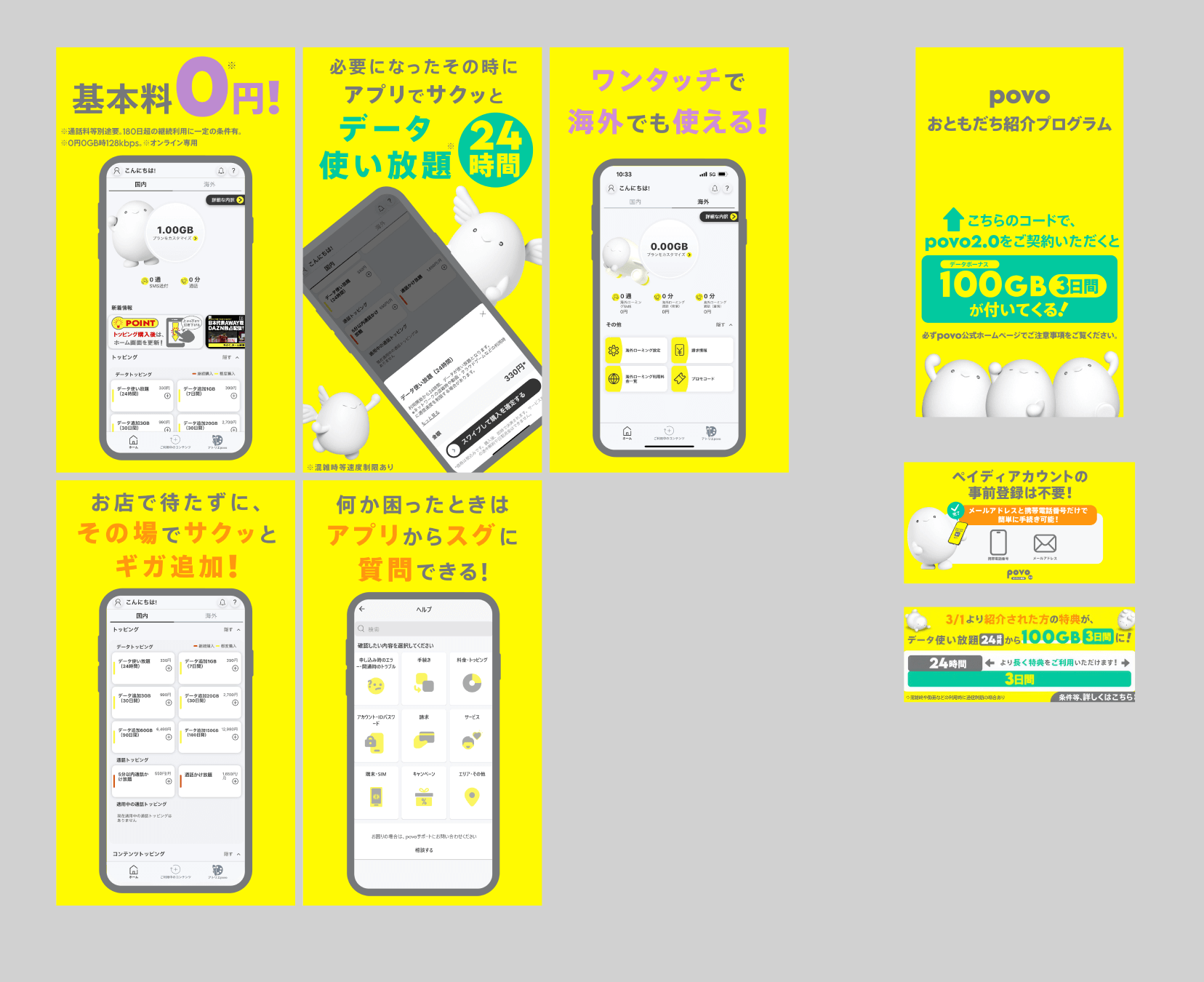
Took up additional responsibility of designing several creative assets due to resource constraints
Outcome
We launched Povo 2.0 on time, fully remotely—Japan’s first fully digital telco. The product set a new benchmark for telco UX in the region. It also became the blueprint for subsequent market launches in Pakistan, Mexico and Indonesia.
“In just 16 weeks, Circles and KDDI launched Japan’s first all-digital 5G telco… built on a modular, customisable platform that delivers experiences customers truly want.” — Circles.co
Reflections
This project strengthened my systems thinking and reinforced the value of strong design craft when starting from zero. It also pushed me to grow in client management and stakeholder communication—skills that later shaped my transition into design leadership.
Working as the sole designer on Circles' first B2B launch taught me how to operate with autonomy under high-stakes constraints. The 16-week timeline forced me to make fast, confident decisions while maintaining quality—a balance I've carried into every project since.
Collaborating directly with KDDI to co-create the Povo brand identity from scratch deepened my understanding of how brand and product must work as one system. This experience shaped my approach to building cohesive, trust-driven experiences across all customer touchpoints.
The remote, cross-cultural nature of the project also revealed the importance of clear communication and documentation. Working across timezones with translators and local stakeholders taught me to design with cultural sensitivity and regulatory awareness—skills that became essential as I later scaled operations globally.
Perhaps most importantly, this project proved that strong foundational work compounds. The modular design system I built became reusable infrastructure for Indonesia, Mexico, and Pakistan—demonstrating that investing in craft and systems early creates long-term leverage.
This experience transformed how I think about design leadership: it's not just about execution, but about building the right foundations that enable others to move faster.